Jonathan B. Edvane · On writing
The Dark Hearth
The Dark Hearth is a craft blog by Jonathan B. Edvane, on the writing of dark fantasy, folkloric fiction, the roots of both, and the decisions that go into building worlds that stay with readers.
Jonathan B. Edvane · On writing
The Dark Hearth is a craft blog by Jonathan B. Edvane, on the writing of dark fantasy, folkloric fiction, the roots of both, and the decisions that go into building worlds that stay with readers.
A parish register with names that should not be there. A civic report that claims nobody died. A purse that stamps the names of the poor onto coins. Four recent stories that find their horror in gaps the official record chose to leave.
Read →
Five characters, five standalone stories, five unanswered questions. How Tales from the Woldwood introduces the cast of The Shivering Vale before the novel begins.
Read →
Red Sonja, Arwen, Lady Macbeth, and four Marchlands women who refuse to cooperate. The case for writing women the reader cannot simplify.
Read →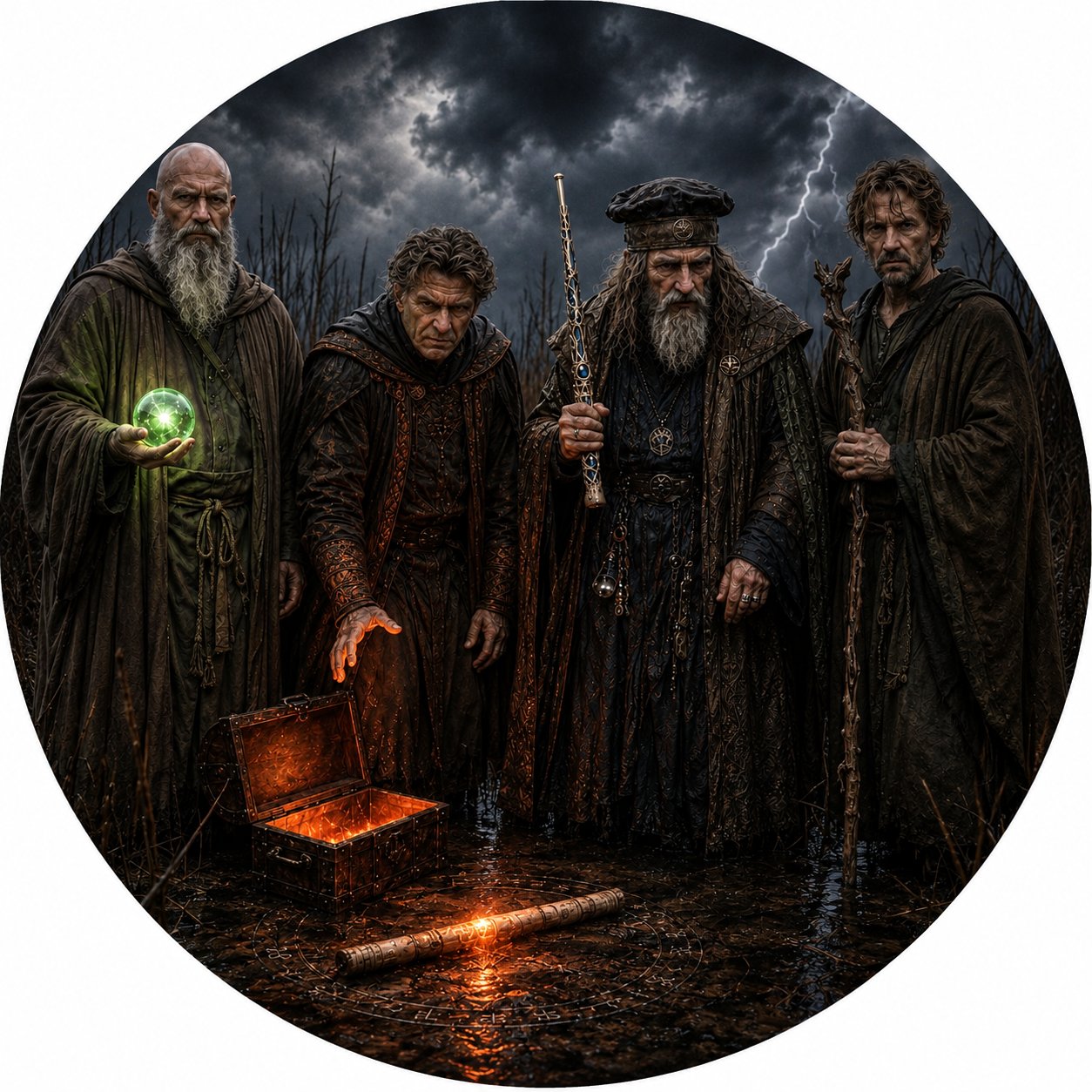
Gandalf, Dumbledore, Ged, Bayaz, Prospero and four Marchlands wizards. The case for writing a wizard who stands at the edge of someone else's story and changes everything by being there.
Read →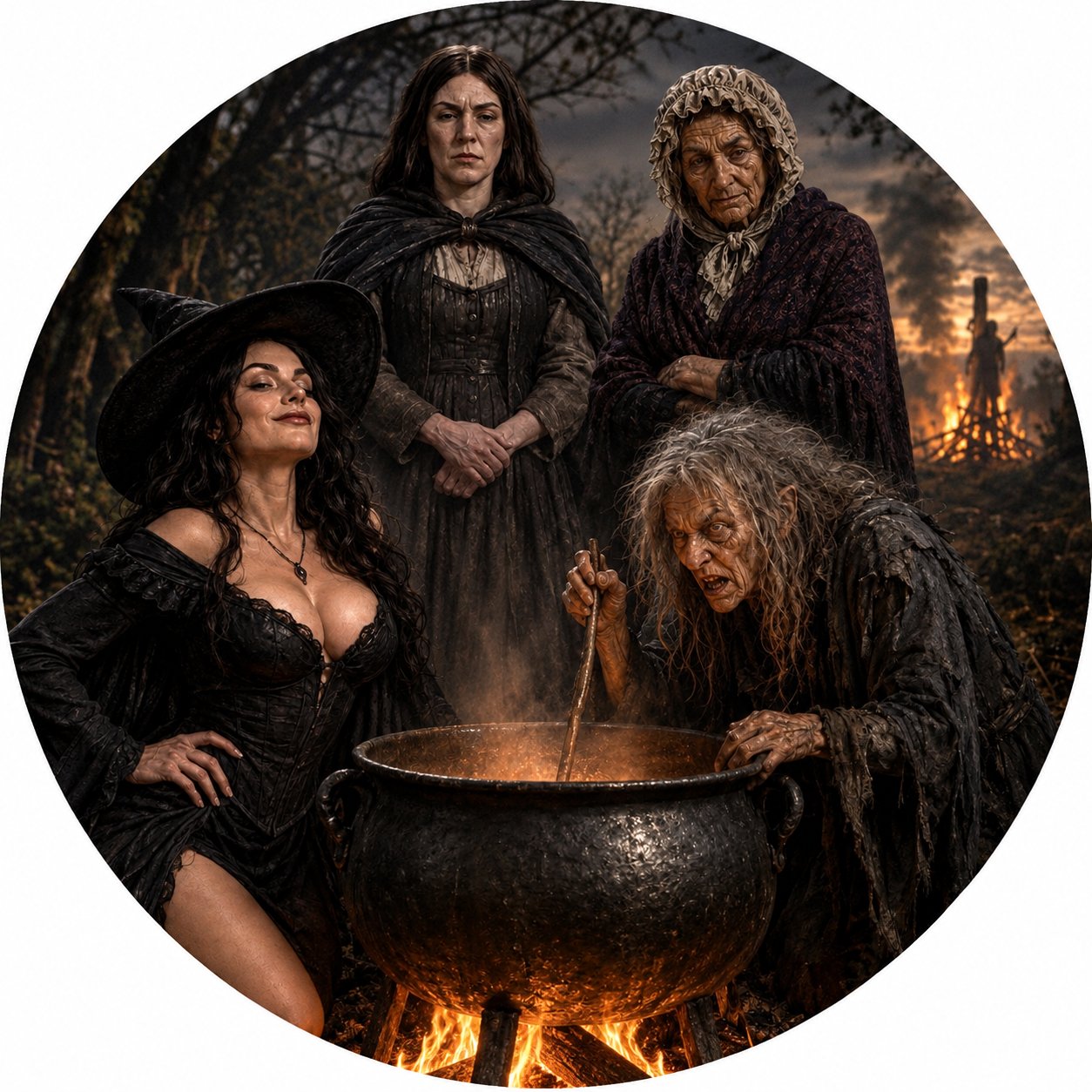
Fiction has five default ways of writing a witch, and most flatten her into something convenient. Shakespeare, Pratchett, Miller, James, Miller and three Marchlands stories that refuse to let the reader off the hook.
Read →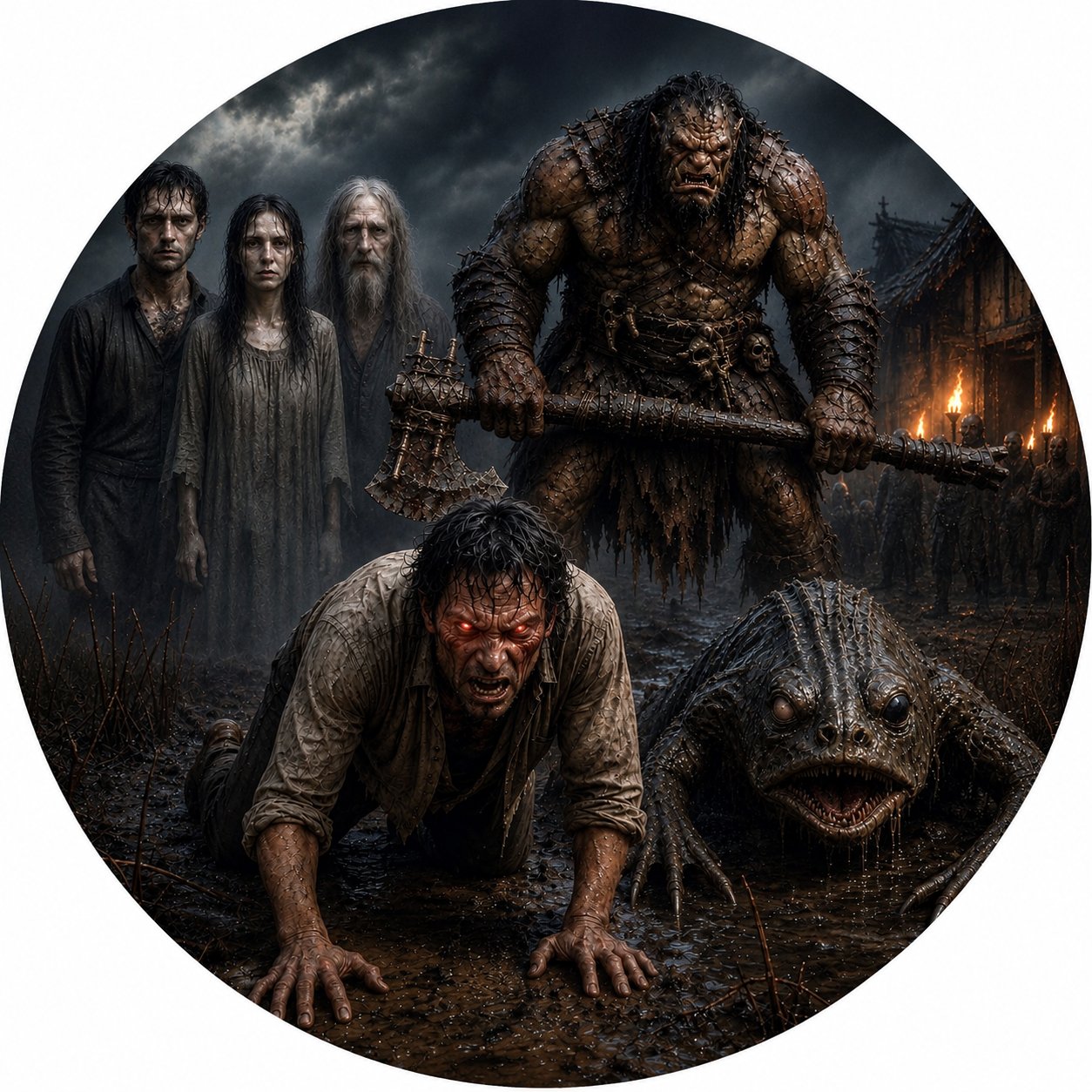
Most fantasy monsters exist only to be fought. Mine are lenses. Four Marchlands creatures, Beowulf's Grendel, Shelley's creature, Miéville's ecologies, and the case for monsters that refuse to behave like villains.
Read →
Hard magic has rules the reader can see. Soft magic does not. But the most interesting moments happen where the boundary between hard and soft becomes unstable. Four Edvane Stories, Sanderson's law, and the case for refusing to choose.
Read →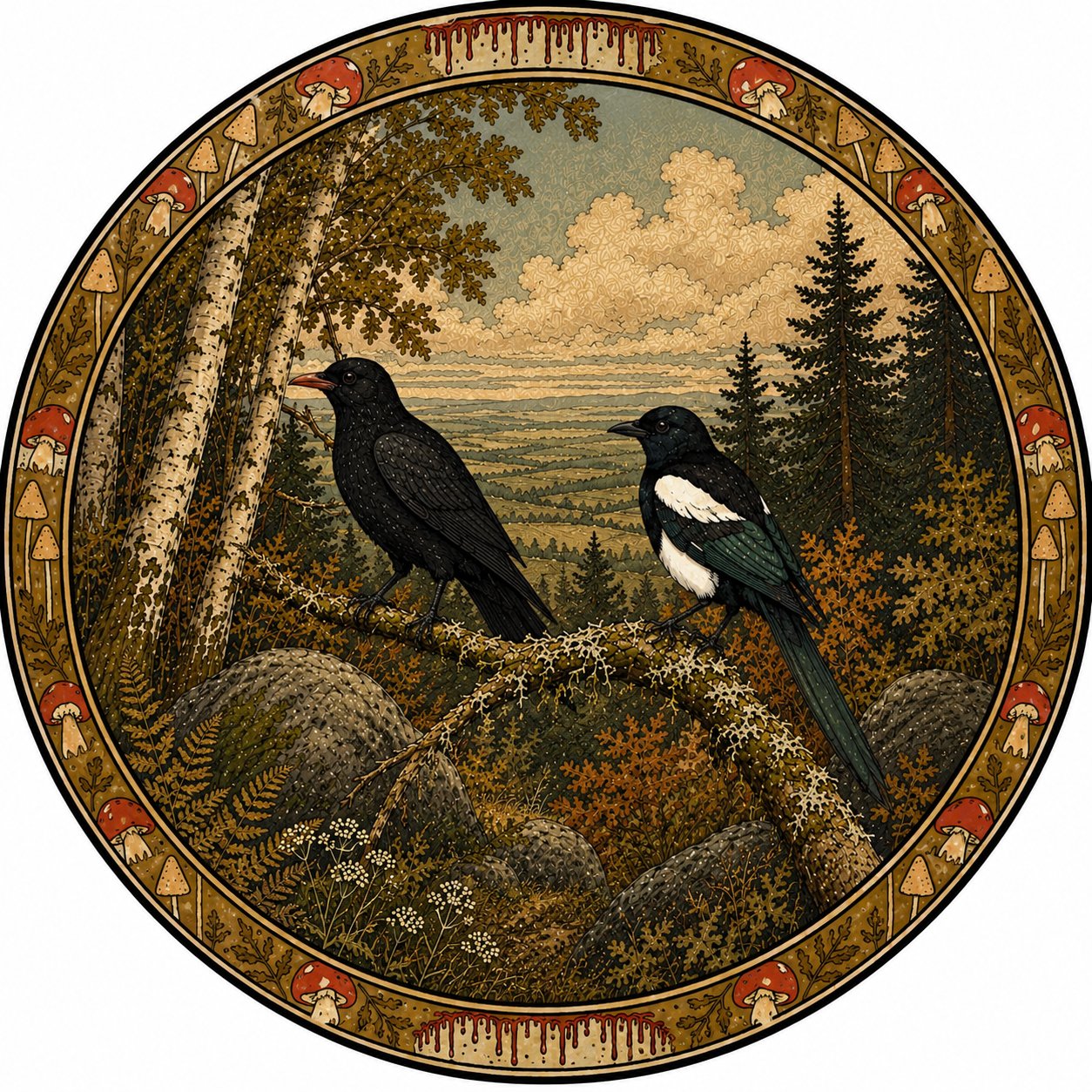
Folklore is made, remade, transferred and adopted, and the people who carry it forward are not troubled by the question of whether they found it or made it. The chough legend at Tintagel, three Edvane Stories, and the case for writing folklore the way folklore has always been written.
Read →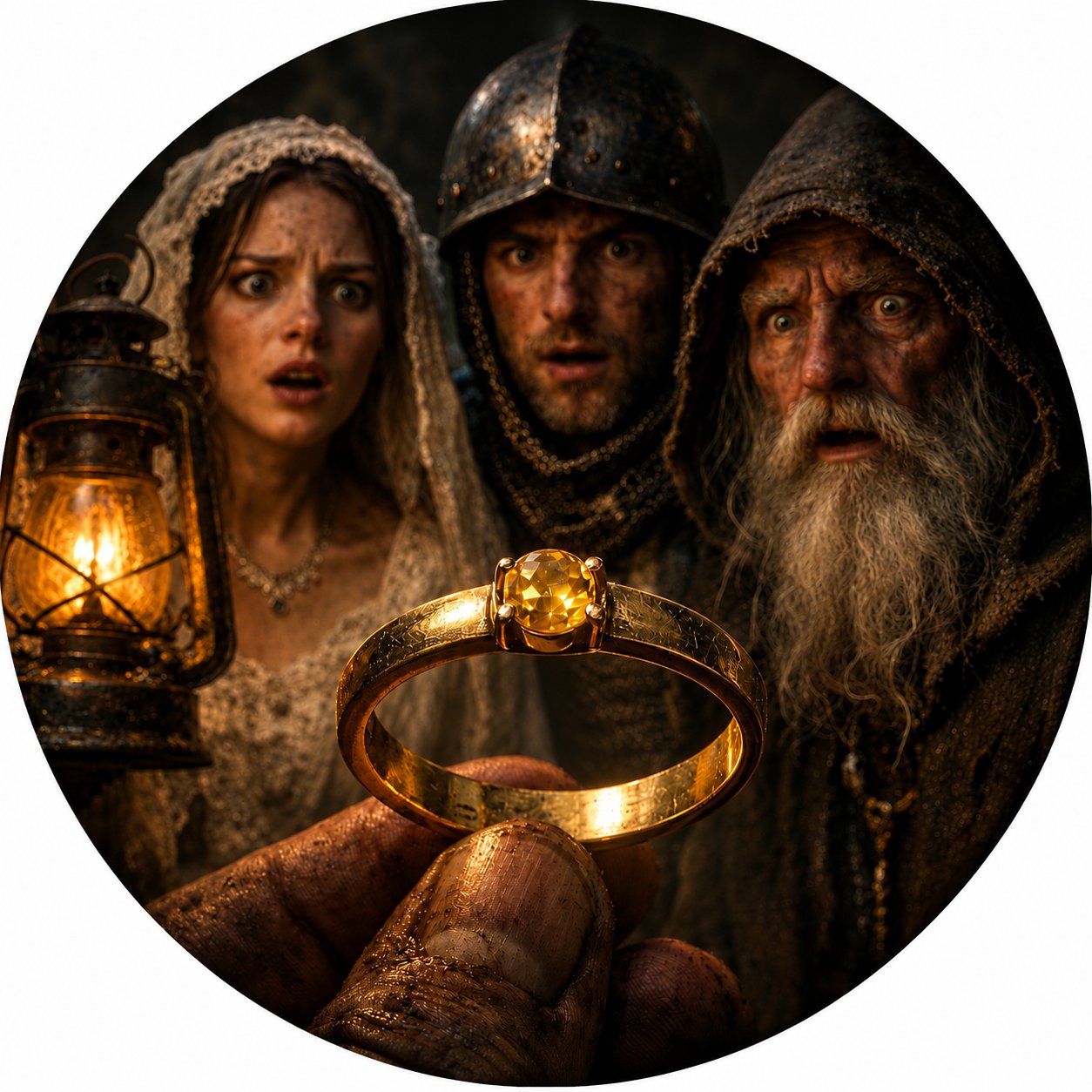
The object as narrator removes the consolation of perspective. It remembers everything and mourns nothing. What the technique makes possible, how it differs from destined objects in fantasy, and how The Yellowstone Ring puts it into practice.
Read →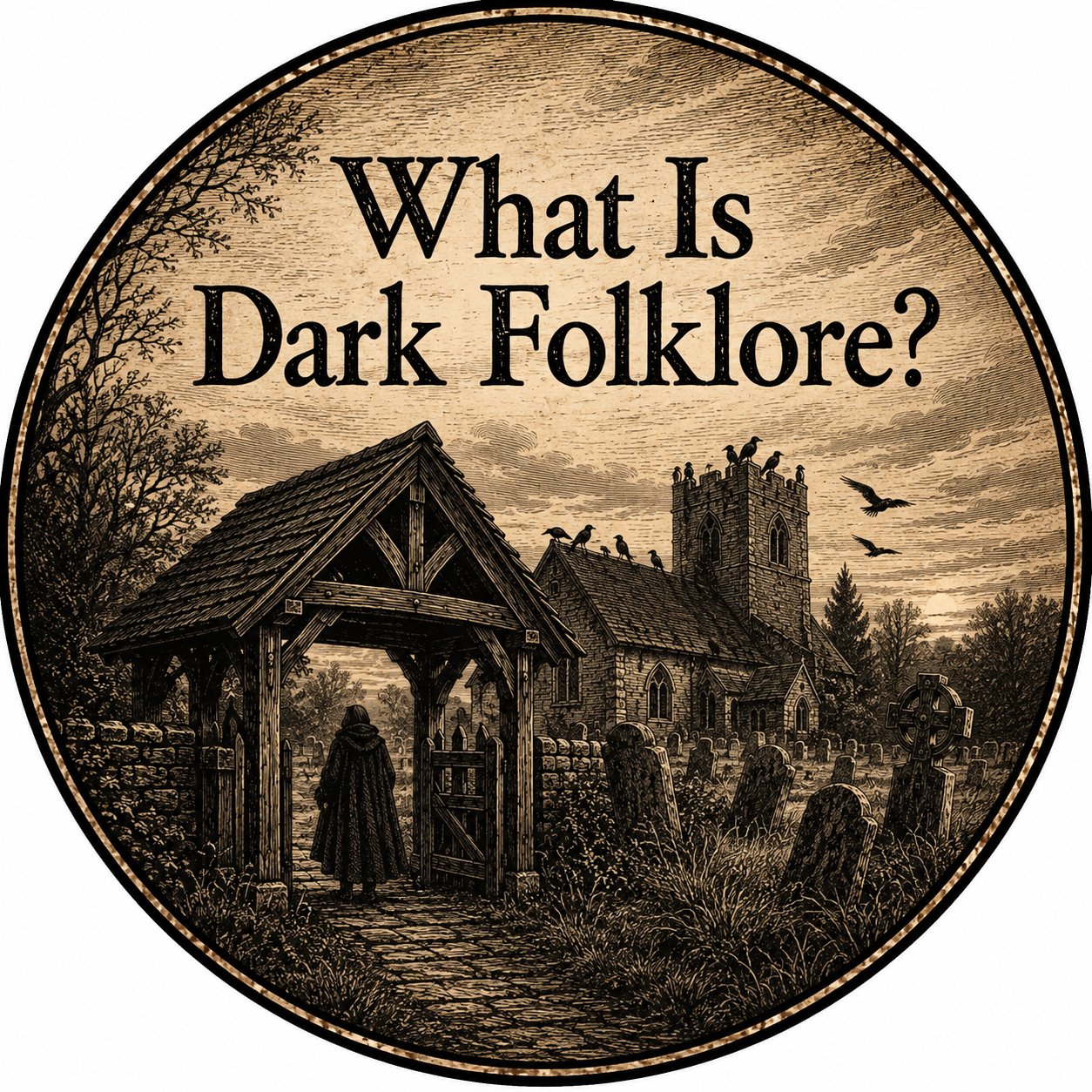
Dark folklore is not a genre. It is older than genre and considerably less interested in your comfort. What dark folklore is, how the knowledge in it precedes the narrative, and what it asks of a writer who finds it in the material.
Read →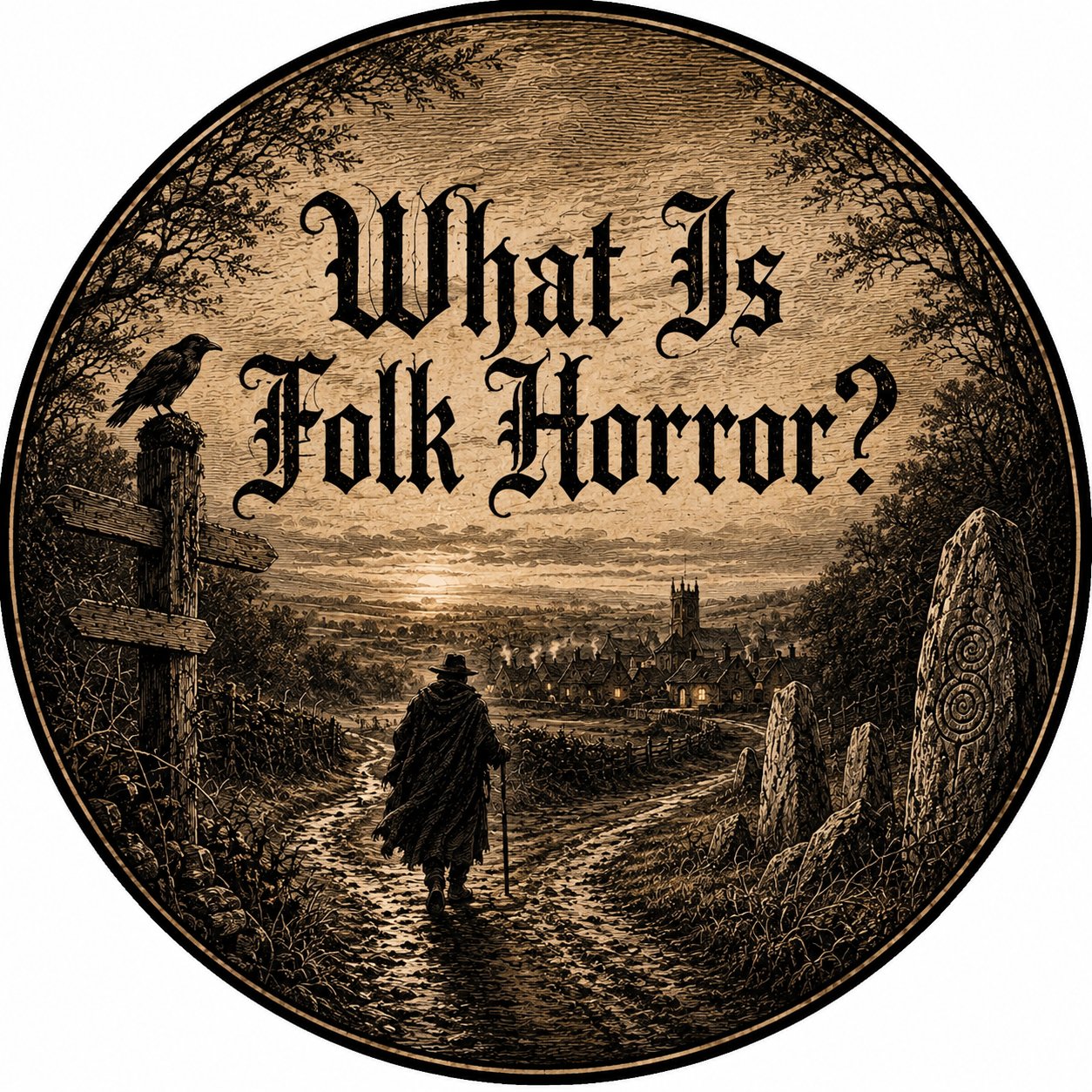
Folk horror is about what the land remembers, what the community conceals, and what happens when something very old is woken at the wrong time. A guide to the genre through three stories and its literary tradition.
Read →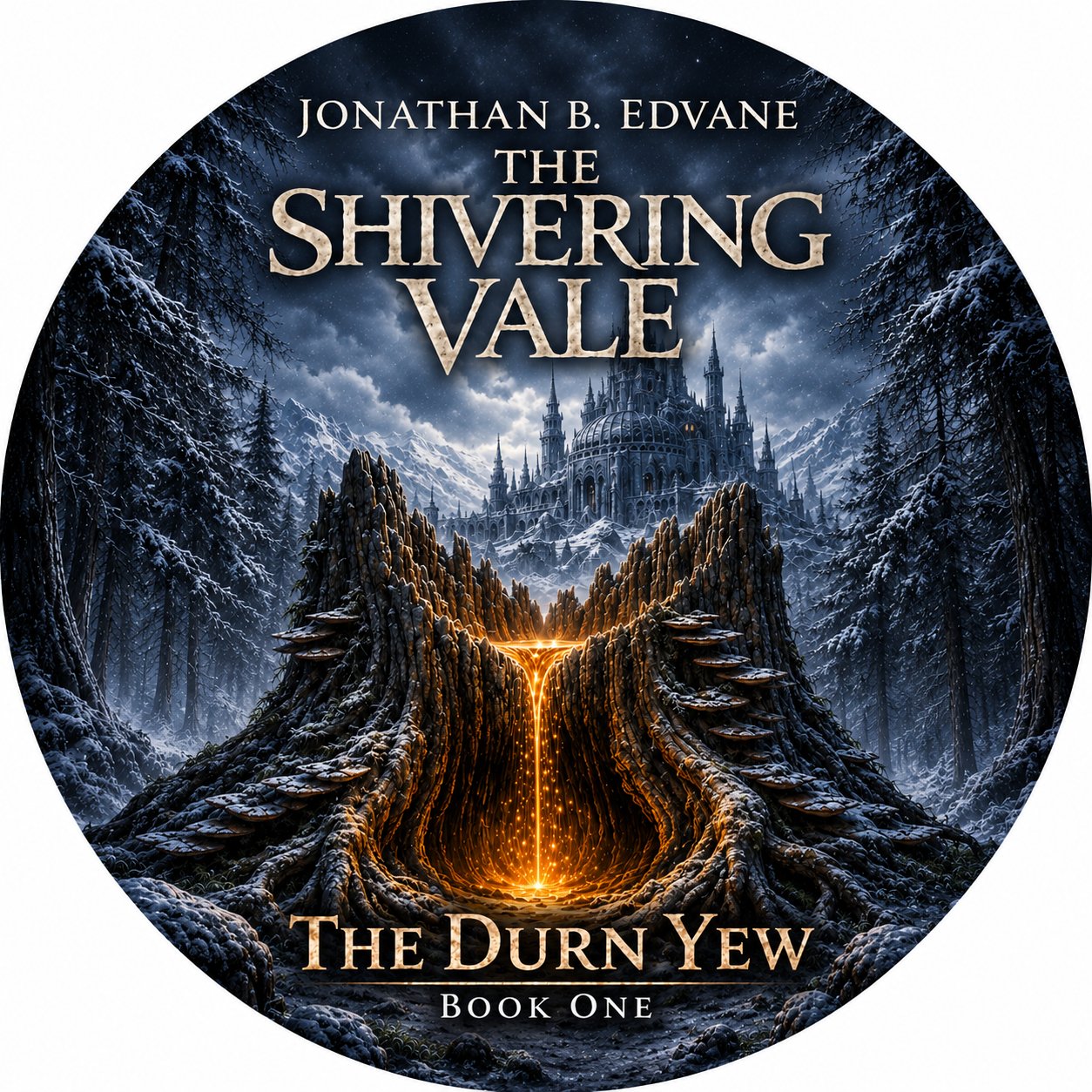
The Shivering Vale needed readers to know a world before they opened it. Forty standalone stories of Tales from the Woldwood carry the lore the novel cannot stop to deliver. Three examples show three different kinds of work the stories do beneath their surface.
Read →
Streindarke began as a one-story setting for a Bauhaus song and refused to stay used. What four gothic dystopia tales, each grown from a different song, reveal about treating music as a seed rather than a script.
Read →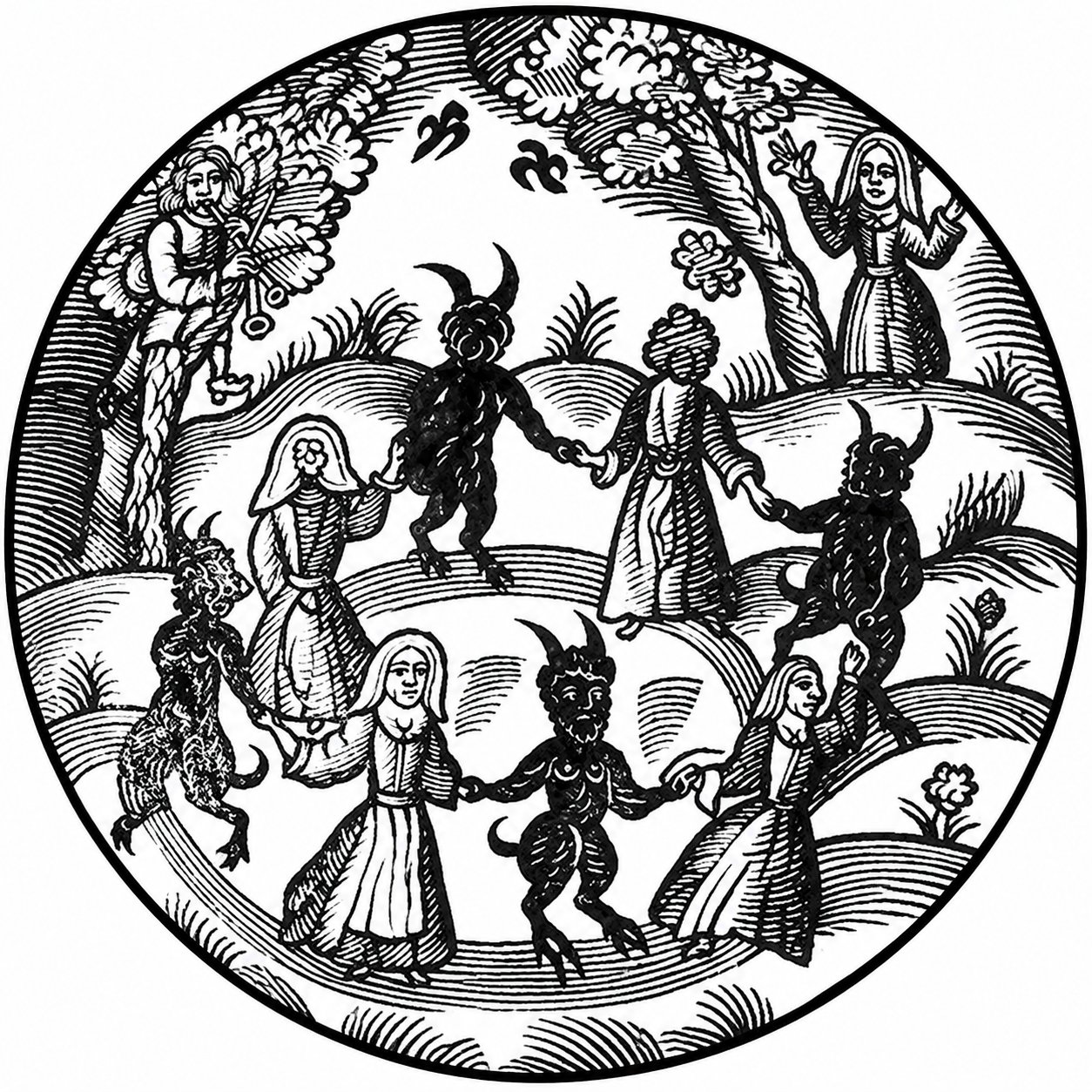
Dark folklore keeps the danger that older traditions understood. What my story, The Broomfield Witch, reveals about writing witches who refuse to be victims, folk horror's domestic territory, and narrators who tell the truth and lie with it at the same time.
Read →
Dark fantasy is fantasy where the wonder carries a shadow. A working definition of the genre, how it stands apart from horror, grimdark and gothic fantasy, and where a new reader might begin. Drawn throughout from tales of the Marchlands, from a staff that mends at a terrible price to a room that keeps the dead who broke their promises.
Read →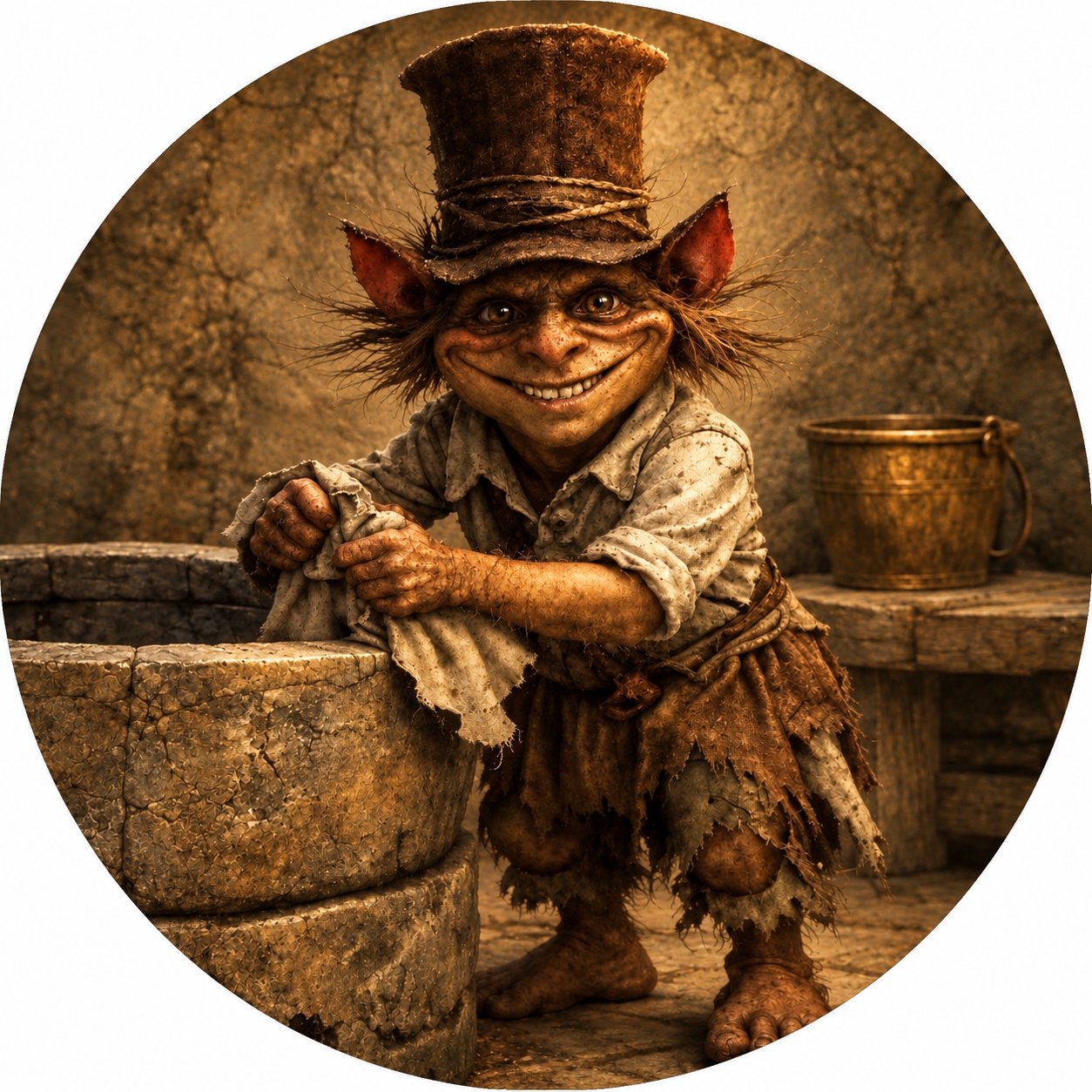
Folklore is not a stock cupboard of creatures. It is a way of thinking about the world. What my story, Bramlick the Brownie, shows about adapting old folk belief into living dark fantasy, and why a brownie is never just a small creature in a hat.
Read →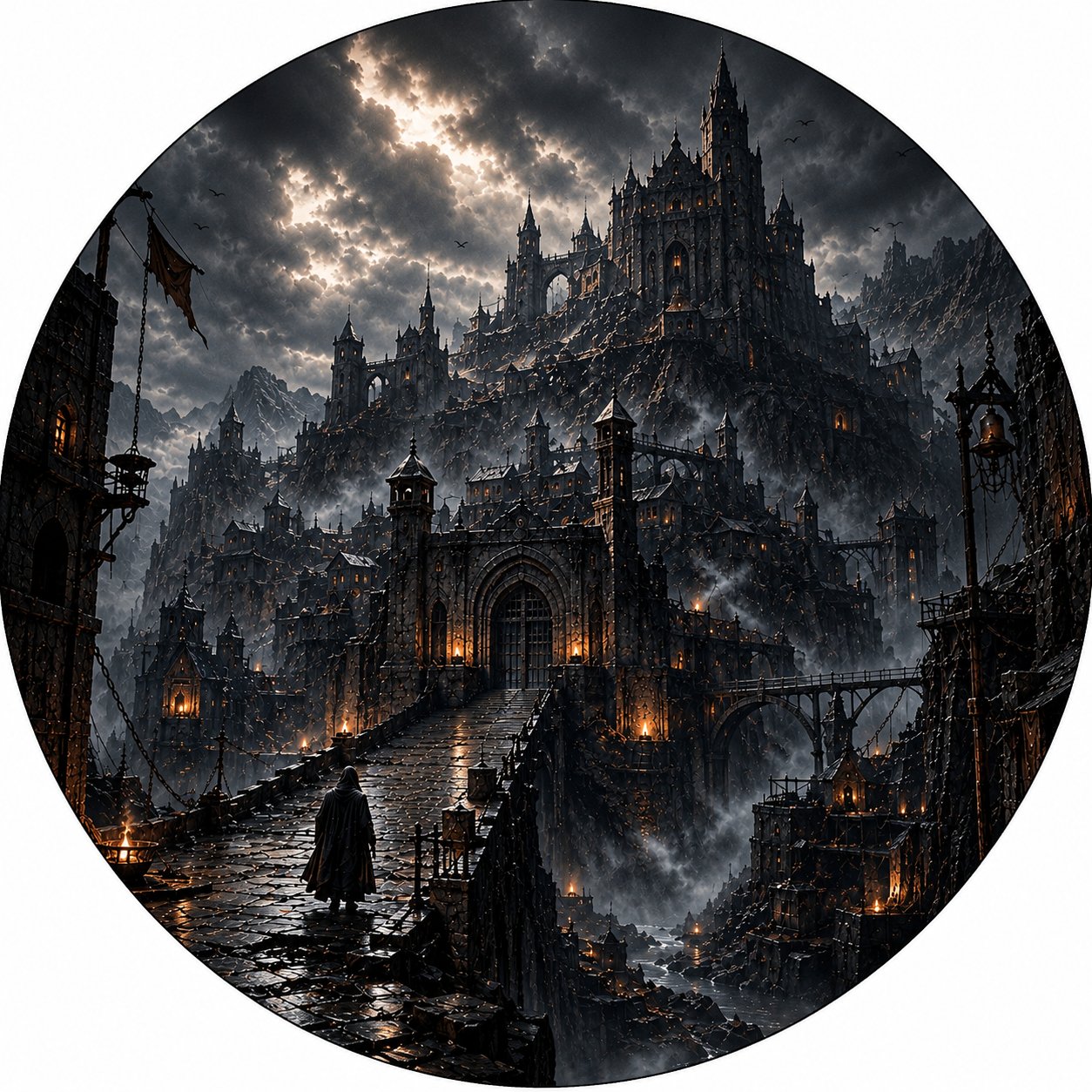
A dark fantasy setting feels real when it has a job to do. It should not exist merely as scenery. It should have rules, habits, damage, duties and limits. What my story, The Farewell Chamber, reveals about places with purpose, memory and consequence.
Read →
Darkness in fiction is not a filter. It is a structural principle. The difference between a story that feels genuinely bleak and one that merely performs bleakness is not the quantity of misery on the page — it is the weight of consequence behind every choice.
Read →